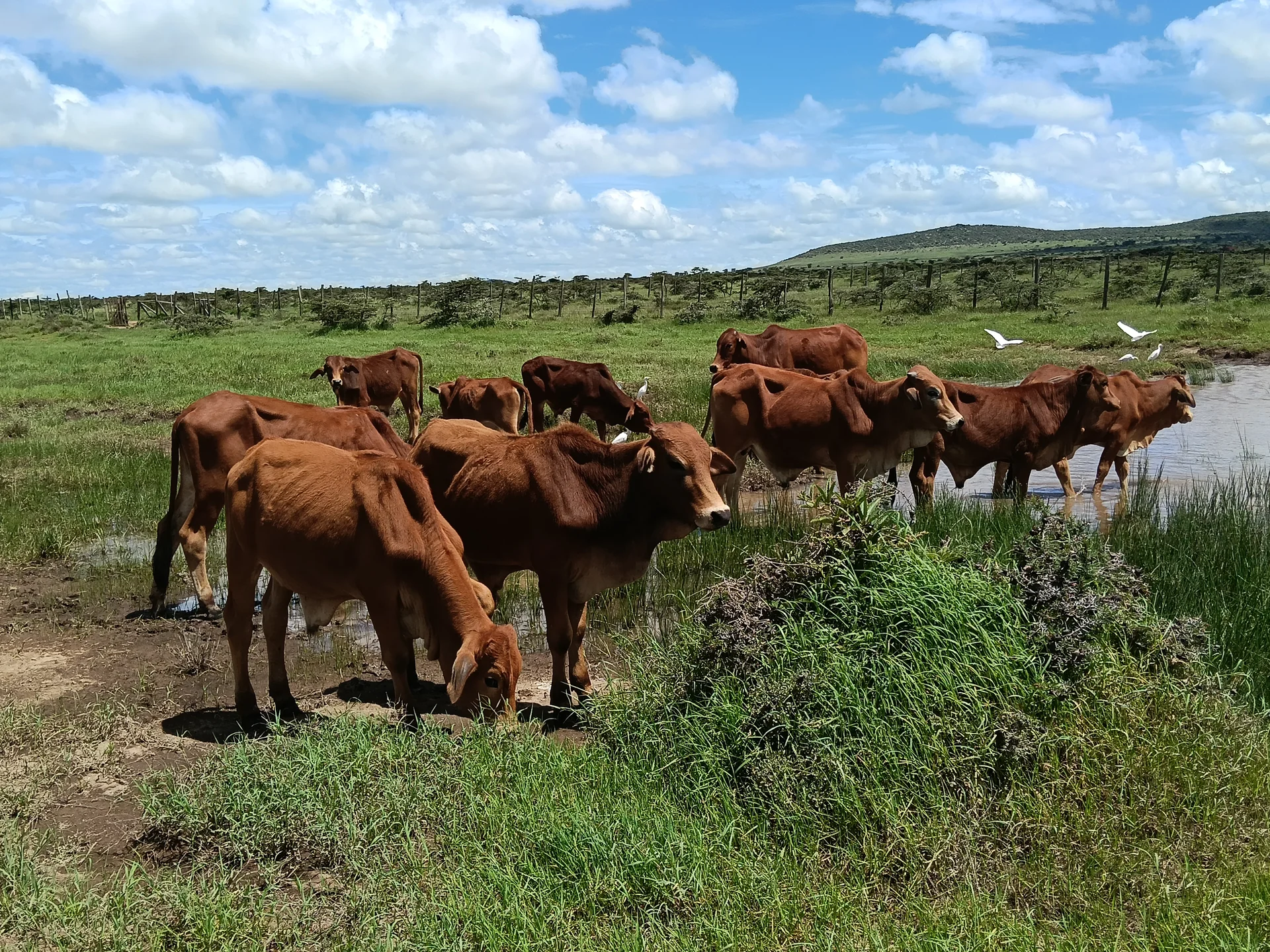
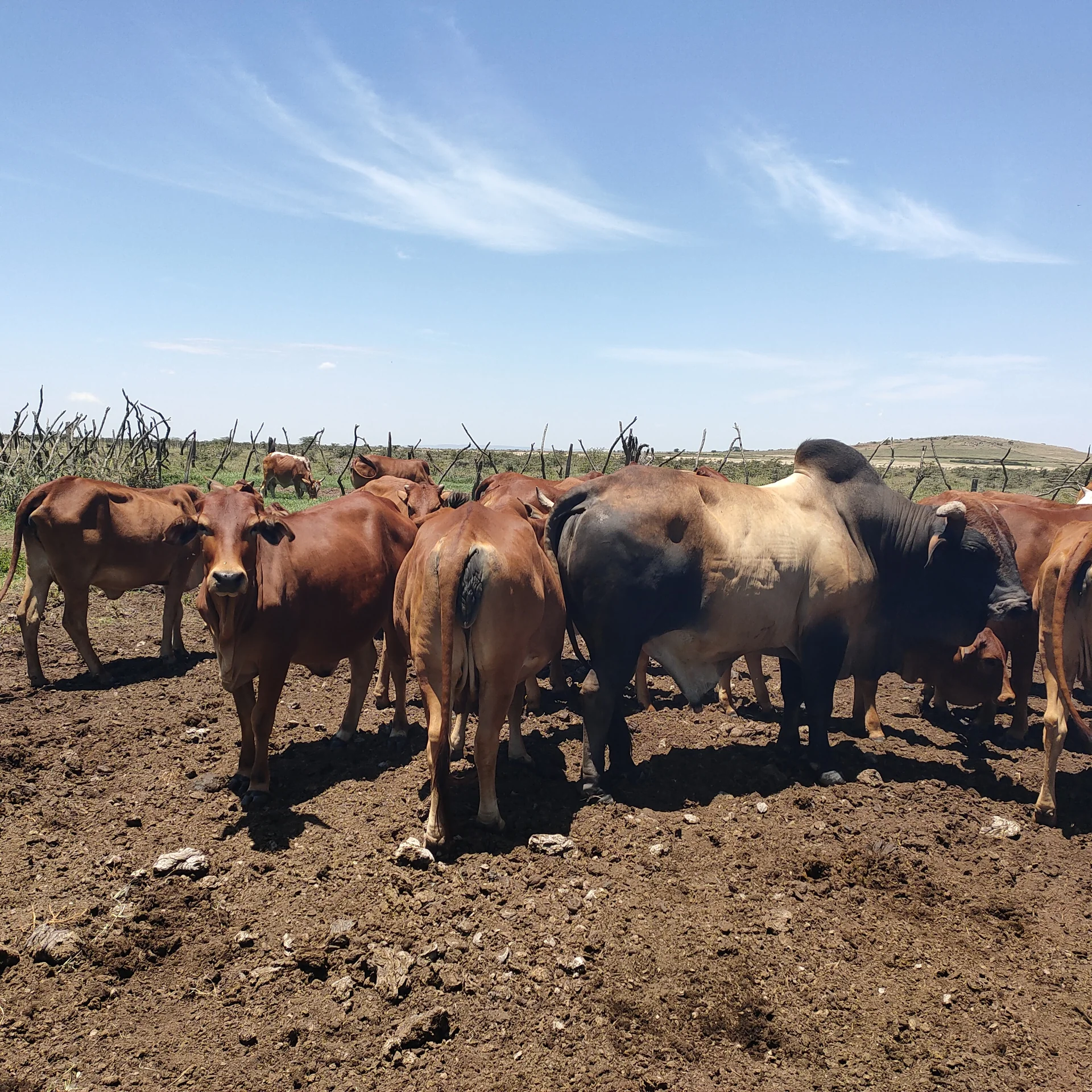
Cattle herd grazing on green savannah rangeland in Narok County, Kenya

Climate-proof pastoral wealth, built under one roof.

Dupoto Agroconsultancy & Farm unites superior livestock genetics, climate-smart forage production and hands-on field advisory — turning Narok's pastoral operations into predictable, profitable commercial enterprises.

  • Oltototo, Narok County
  • Genetics · Forage · Advisory
  • Smallholders to conservancies

Three pillars, one integrated operation

Genetics, forage and technical advisory run together at Dupoto — so every animal you keep is fed, healthy and market-ready.

Superior Livestock Genetics & Breeding

Selective breeding pipelines using acclimatized, high-yielding breeds chosen for hardiness, rapid weight gain and feed efficiency.

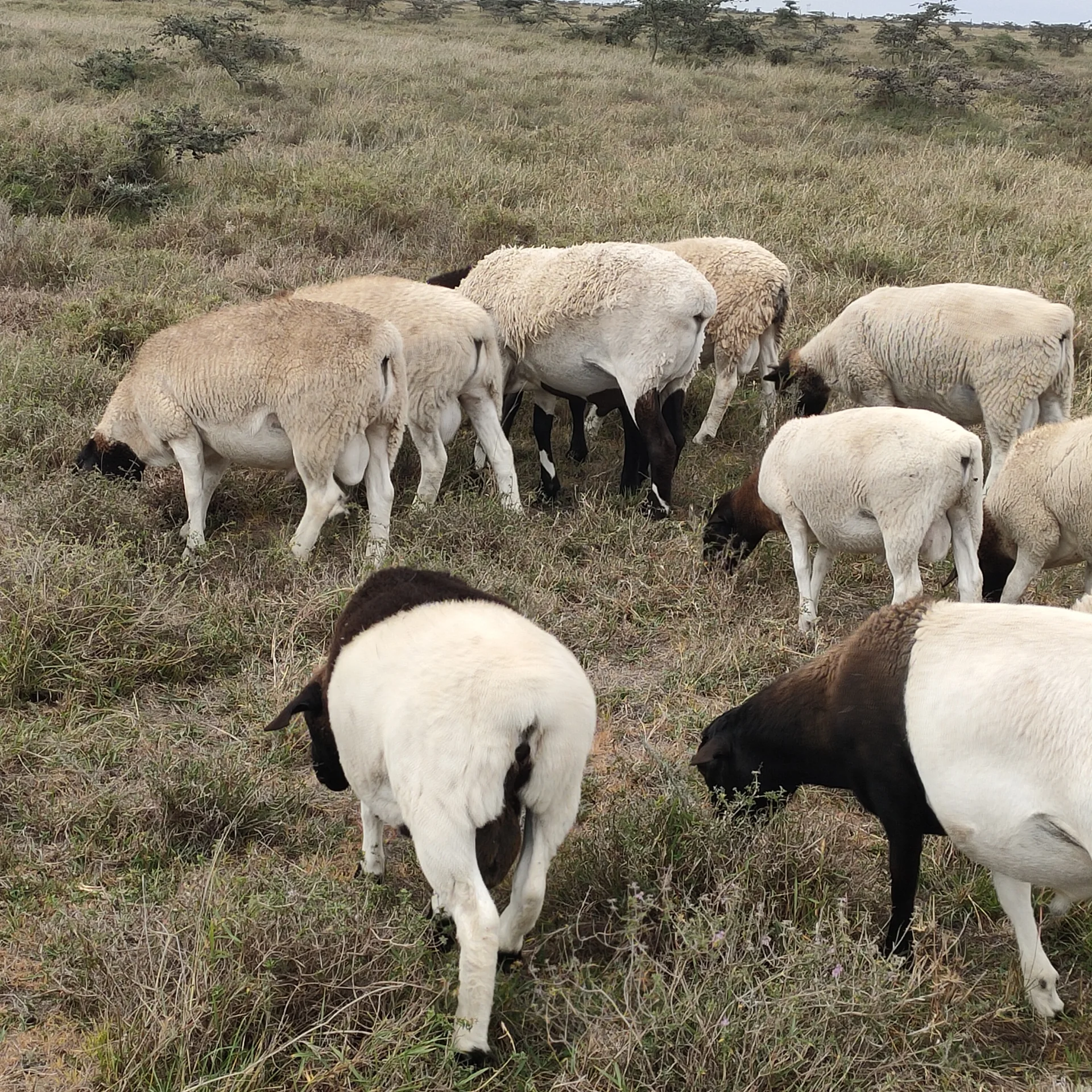
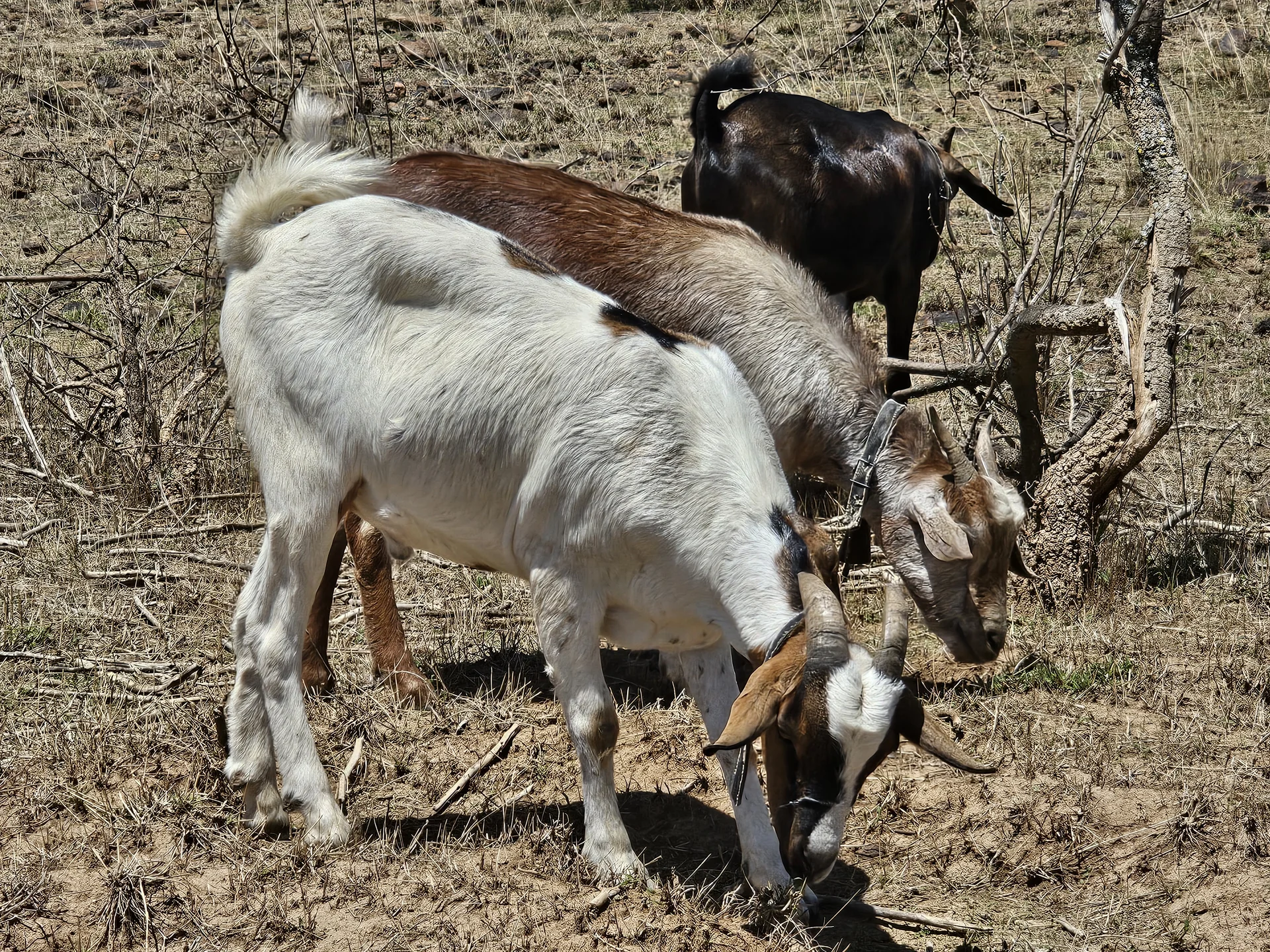
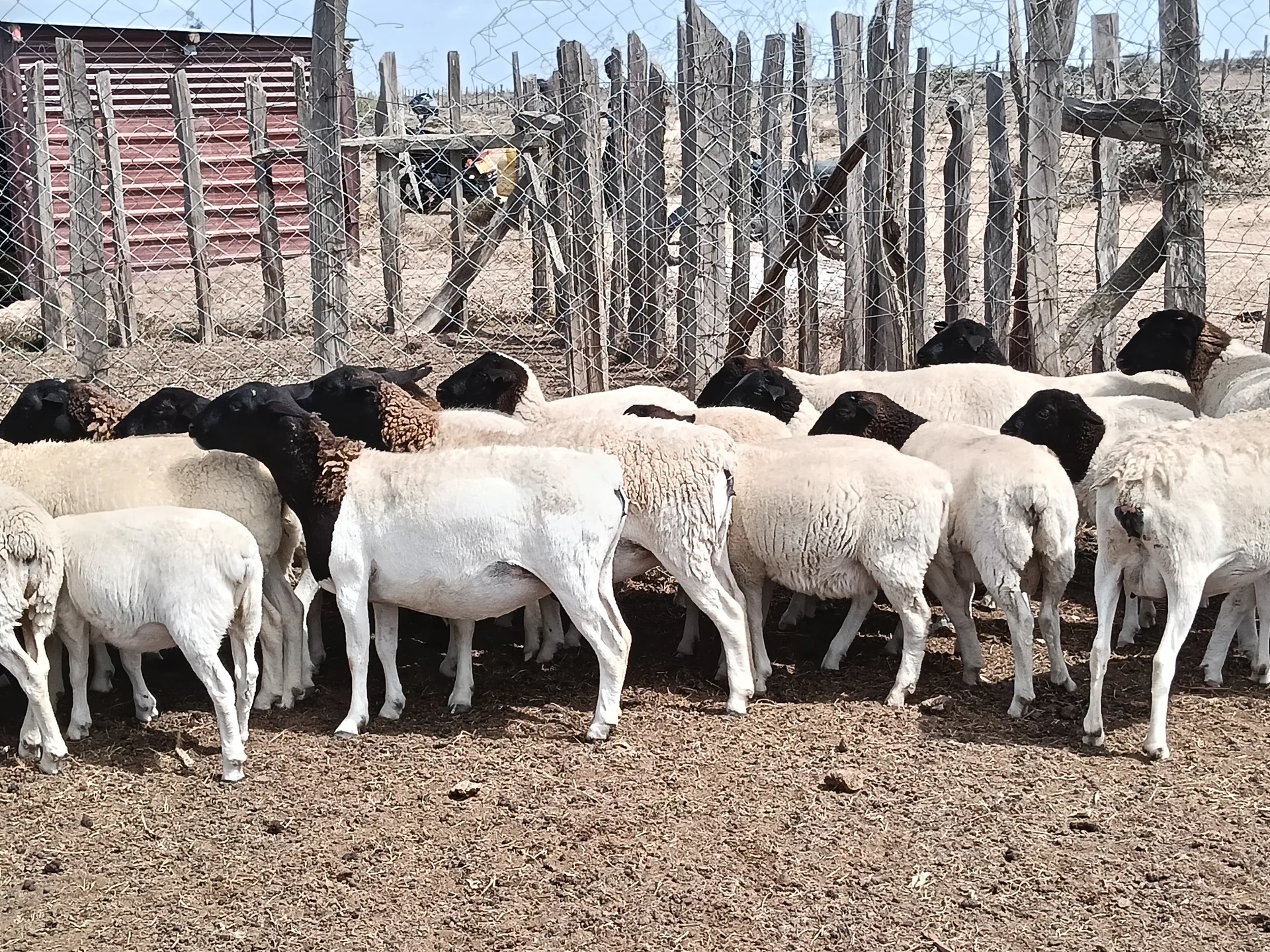
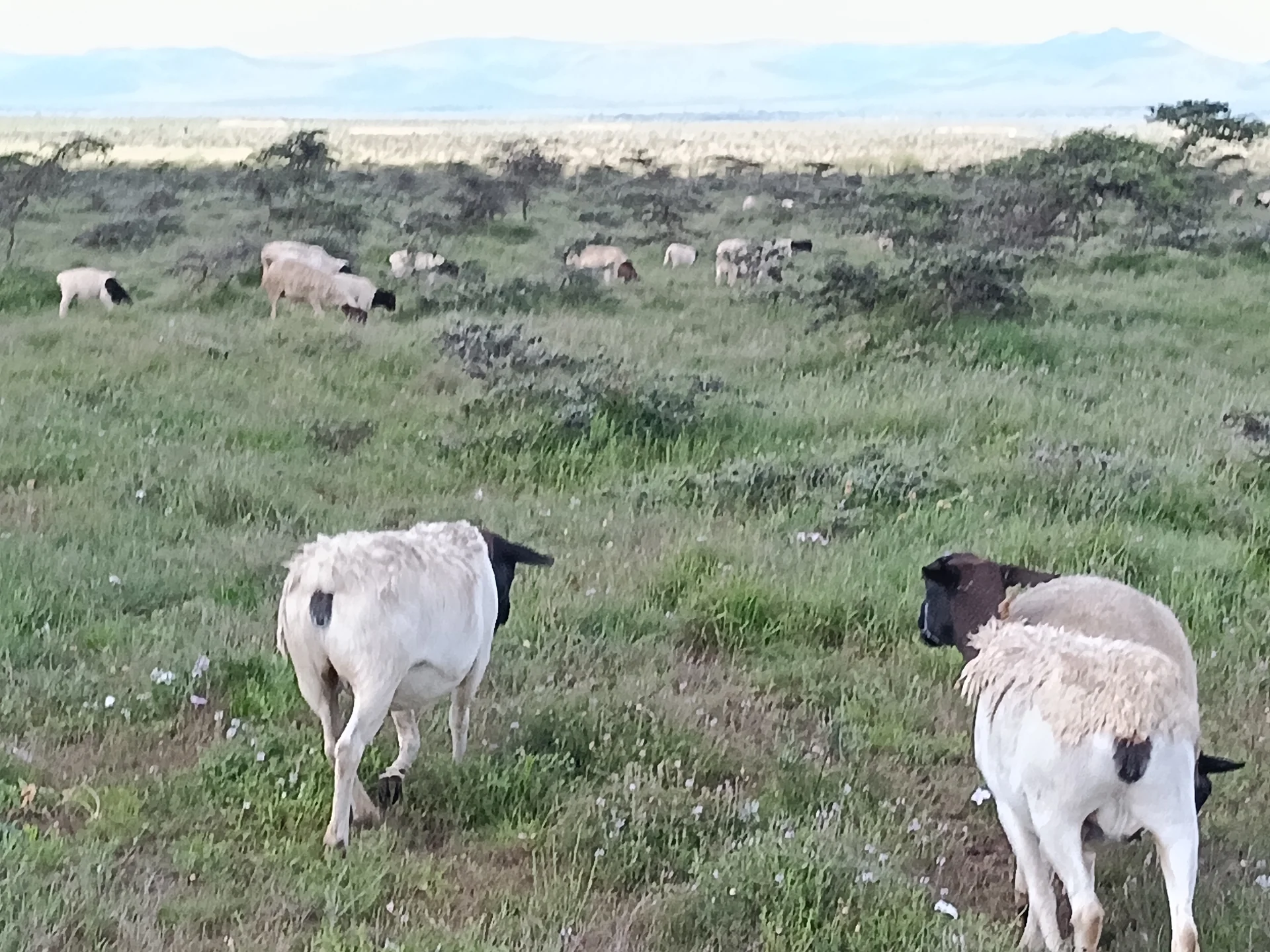
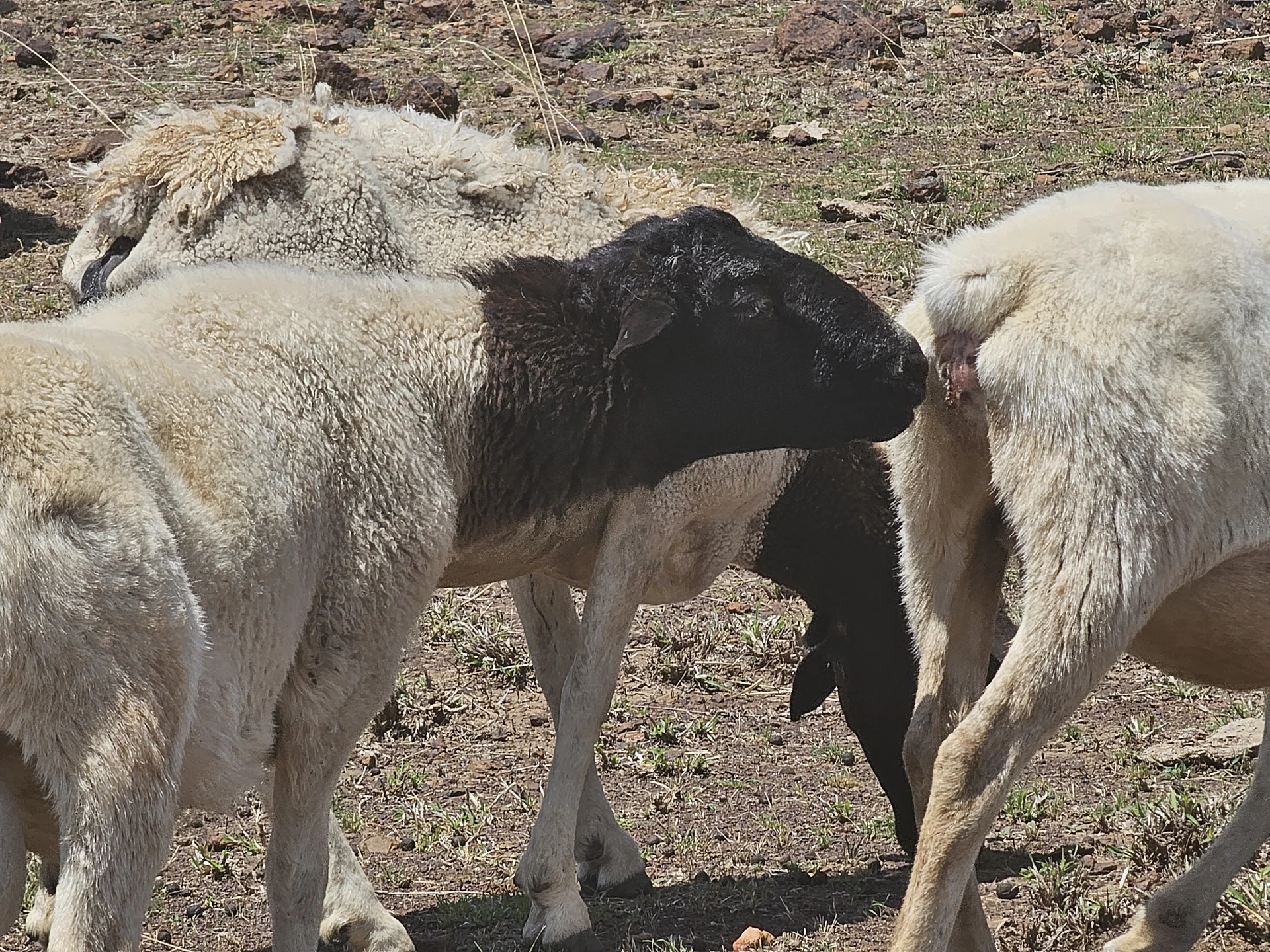
  • Blackhead Dorper sheep, Sahiwal and Boran cattle, improved meat goats
  • Digital ear-tagging and full lineage traceability
  • Biosecurity protocols and targeted feedlot finishing

Climate-Smart Forage & Rangeland Restoration

We remove reliance on seasonal rainfall through strategic feed management and land rejuvenation across Narok's rangelands.

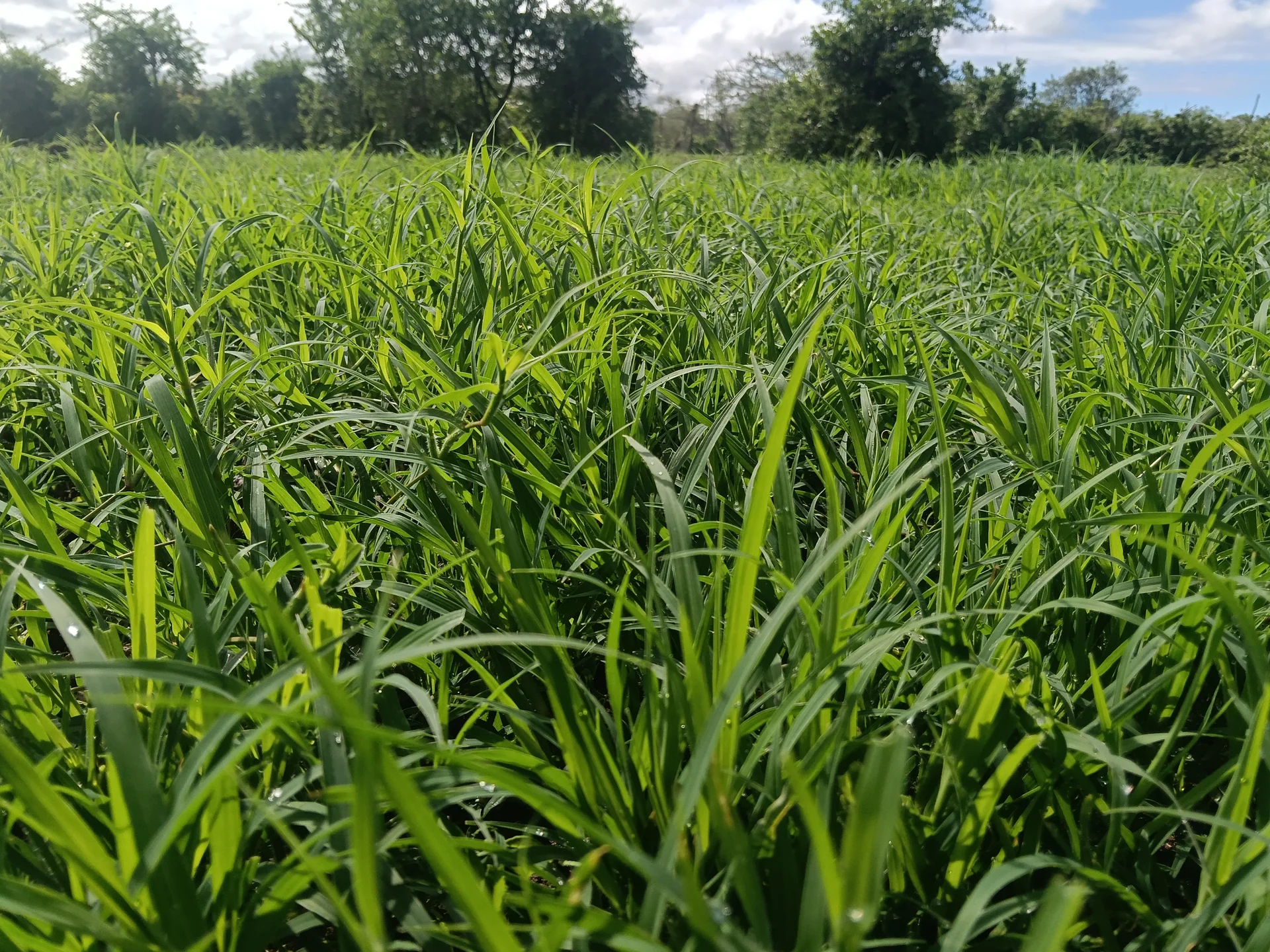
  • Commercial seed multiplication: Boma Rhodes, Maasai Love Grass, African Foxtail
  • High-biomass harvesting and baling for dry-season hay banks
  • Crop residue valorization and precision mineral supplementation

Agroconsultancy & Field Extension

End-to-end technical interventions tailored for smallholders, commercial ranchers, cooperatives and development organizations.

  • Herd health diagnostics, vaccination scheduling, parasite control
  • Custom low-cost feed formulation and feedlot conditioning
  • Aggregated supply linkages to institutional buyers and abattoirs

What we do, in detail

Three service lines, run as one operation — from the breeding pen and the seed plot to the paddock plan and the off-take contract.

Livestock breeding & feedlot management

Superior genetics and intensive finishing systems, optimised for dryland performance.

  • Selective breeding programmeHigh-value Blackhead Dorper sheep, Sahiwal and Boran cattle, and improved goat breeds — selected for feed conversion, growth rate and drought resistance.
  • Feedlot operations & finishingTechnical design and day-to-day management of feedlot systems producing premium-grade beef and mutton for commercial markets.
  • Veterinary & herd health protocolsStructured biosecurity, vaccination and nutritional management that cuts mortality and lifts weight gain.

Pasture management & seed multiplication

We close the fodder deficit by multiplying and distributing indigenous, drought-tolerant pasture seed at scale.

  • Seed cultivation & clean seed supplyCommercial production of Boma Rhodes (Chloris gayana), Maasai Love Grass (Eragrostis superba) and African Foxtail (Cenchrus ciliaris).
  • Fodder production & preservationHay harvesting, silaging solutions and bulk feed storage strategies built for dry-season resilience.

Technical agribusiness advisory

Actionable guidance tailored to individual landholders, community groups and commercial enterprises.

  • Farm setup & master planningFeasibility studies, site assessments and layout design for feedlots, irrigation infrastructure and rotational grazing paddocks.
  • Rangeland restoration & managementHolistic planned grazing models, invasive species management and pasture regeneration frameworks.
  • Capacity building & trainingOn-farm technical workshops for livestock handlers, farm managers and community institutions.
  • Commercialisation & market accessBusiness planning, feed conversion optimisation and market-readiness strategies for commercial off-take.

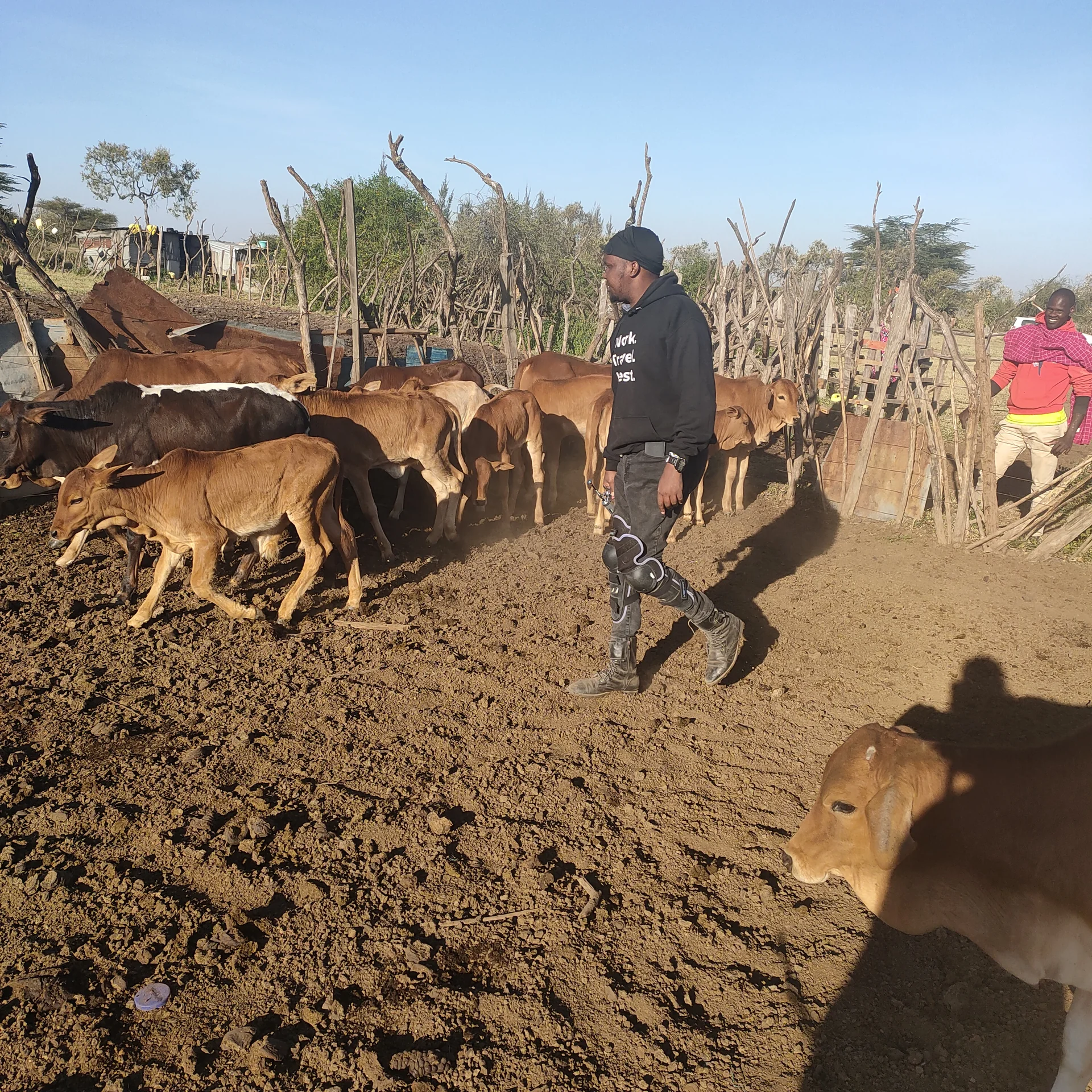
Engagements start with a site visit. We walk your land, look at your herd and your grazing blocks, then quote the work in stages — so you can start with one paddock or one breeding season and scale from there.

Cattle grazing on open savannah pasture at Dupoto Agroconsultancy & Farm

Rooted in Oltototo, built for Narok's rangelands

Dupoto Agroconsultancy & Farm is an integrated agricultural enterprise based in Oltototo, Narok County. We bridge the gap between traditional pastoral practice and modern, climate-resilient agribusiness.

By optimizing rangeland utilization, elevating livestock genetics and establishing closed-loop forage ecosystems, we drive sustainable rural wealth creation — moving producers away from reactive crisis management and distress sales.

  • Deep local rootednessFirsthand knowledge of Narok's micro-climates, soil dynamics and livestock disease patterns.
  • End-to-end solutionsGenetic sourcing, forage production and technical advisory unified under a single roof.
  • Proven resiliencePredictable, profitable and sustainable production instead of seasonal boom and bust.
The farm operations calendar

Narok's year runs on two rainy seasons. Here is how we schedule breeding, forage and herd health around them, so nothing is left to chance.

January – March

Long-rains preparation

  • Breeding herd flushed and joined for the long-rains calving window
  • Pasture rested and paddocks reseeded ahead of the rains
  • Pre-rain vaccination and deworming round
  • Hay bank drawdown and feed budgeting for the dry weeks
April – June

Long-rains growing season

  • Forage establishment: Boma Rhodes, Maasai Love Grass, African Foxtail
  • Rotational grazing begins as pasture recovers
  • Herd health monitoring for foot rot and internal parasites
  • Weaning and growth-rate recording on young stock
July – September

Harvest & hay banking

  • High-biomass harvesting and baling at peak grass quality
  • Hay bank storage and quality grading
  • Crop residue collection and valorization
  • Feedlot conditioning of market-ready animals
October – December

Short rains & off-take

  • Short-rains breeding and supplementary mineral feeding
  • Rangeland rehabilitation and seed multiplication plots
  • Aggregated sales to abattoirs and institutional buyers
  • Year-end review, records audit and next-season planning

Every operation is planned around your own rainfall pattern. We map your grazing blocks, calving dates and feed reserves with you at the start of the season, then adjust the calendar as the rains behave.

Deworming & disease management schedule

Biosecurity, parasite control and vaccination protocol for mixed commercial livestock — Dorper sheep, Sahiwal and Boran cattle, and goats — under rangeland and feedlot systems.

This protocol is tailored for mixed commercial operations in Oltototo and across Narok County. It is a working framework, not a prescription: every dose is set with your veterinarian against the animals in front of you.

Integrated parasite management & deworming

Section 1

To minimise drug resistance, rotate across anthelmintic classes — Benzimidazoles, Levamisole and Macrocyclic Lactones. Dosing is always guided by Body Condition Scoring (BCS), FAMACHA scoring for anaemia, and targeted Fecal Egg Counts (FEC).

Annual deworming schedule
Target animal groupRecommended timingKey parasites targetedActive ingredient / classNotes & best practice
Adult ewes, does & cowsOnset of long rains (March – April)Haemonchus contortus (barber pole worm), Trichostrongylus, flukesLevamisole or Albendazole + trematodicideDrench 1–2 weeks before the onset of heavy rains to reduce pasture larval build-up.
Breeding flock / herdOnset of short rains (October – November)Roundworms, tapeworms, liver flukesIvermectin or OxfendazoleRotate the chemical class from the previous treatment.
Lambs & kidsWeaning (3–4 months of age)Gastrointestinal nematodes, coccidiaFenbendazole / Diclazuril (if coccidiosis is suspected)Move to clean, rested pasture after drenching.
Feedlot / finishing stockEntry into feedlot (day 1 induction)Internal nematodes, ectoparasites (mites, keds, lice)Ivermectin or Doramectin (injectable / pour-on)Combined internal and external parasite clearance before intensive feeding begins.
Pre-breeding / pre-lambing2–3 weeks pre-mating & 2 weeks pre-lambingHypobiotic larvae, roundwormsBroad-spectrum macrocyclic lactoneClears the worm burden in the dam to boost colostrum quality and lamb vigour.

Pasture management note. Avoid overstocking around watering points and bomas. Practise pasture rotation by spelling paddocks for at least 60 days to break parasite life cycles.

Core livestock vaccination schedule

Section 2

Vaccinations must be performed by, or under the direct supervision of, a licensed veterinary practitioner.

Small ruminants — sheep & goats
DiseaseVaccine typeInitial dose ageBooster / frequencyStrategic season / trigger
Peste des Petits Ruminants (PPR)Live attenuated4 monthsSingle dose (valid up to 3 years)Mandatory baseline for all small ruminants.
Sheep & goat poxAttenuated pox3–4 monthsAnnual boosterBefore cold or rainy seasons, or where regional risk is high.
Enterotoxaemia (pulpy kidney) & tetanus (CDT)Multivalent clostridial2 months (from an unvaccinated dam) / 3 monthsAnnual booster, plus 2–3 weeks pre-lambing for damsCrucial for feedlot lambs on high-concentrate rations.
Contagious Caprine Pleuropneumonia (CCPP)Inactivated3 months (goats)Annual boosterPre-wet season, or before herd mixing.
Cattle — Sahiwal, Boran & crosses
DiseaseInitial dose ageFrequencyStrategic window
Foot and Mouth Disease (FMD)4 monthsBi-annually (every 6 months)March & September, before the main rain seasons.
Anthrax & blackquarter (blackleg)4–6 monthsAnnual boosterDry season before the rains (February or August).
Contagious Bovine Pleuropneumonia (CBPP)6 monthsAnnual boosterPer regional veterinary campaign guidelines.
Lumpy Skin Disease (LSD)1 month and aboveAnnual boosterBefore peak vector and mosquito activity in the wet seasons.
Brucellosis4–8 months (heifers only)Once in a lifetime (S19 or RB51)The biosecurity foundation of the breeding herd.

Routine vector control & biosecurity

Section 3

Tick & ectoparasite management

  • Weekly plunge dip or sprayingMandatory through the wet seasons (April–May, November–December), alternating acaricide classes — synthetic pyrethroids and organophosphates — to prevent tick-borne diseases such as ECF, anaplasmosis and babesiosis.
  • Fortnightly sprayingThe standard interval through the dry seasons.

Quarantine & induction

  • 21–28 day quarantineAll newly introduced stock is held in a dedicated isolation boma before joining the herd.
  • Induction treatmentA broad-spectrum drench, ectoparasite treatment and core vaccinations are administered on entry.

Hygiene & sanitation

  • Routine disinfectionFeed troughs, watering tanks and handling facilities are cleaned and disinfected on a fixed rota.
  • Dry beddingLambing and kid pens are kept dry to prevent coccidiosis and foot rot.

What our clients say

Smallholders, cooperatives and development partners working with Dupoto across Narok County.

Before Dupoto we sold animals thin and cheap whenever the rains failed. With their Dorper rams and a hay bank, we now finish our lambs properly and sell at a real price.


Joseph KipainoiSmallholder pastoralist, Oltototo

They mapped our grazing blocks, planned the rotation and brokered our first off-take contract with an abattoir. Our members' income has been steady for two seasons running.


Grace NaserianChairlady, Narok Livestock Cooperative

Dupoto delivered our rangeland rehabilitation pilot on time and on budget, with genuine community buy-in. They are a reliable local execution partner.


Daniel RotichProgramme Officer, Rift Valley Development Trust

Let's plan your next season

Whether you run fifty head or five thousand, talk to us about genetics, forage establishment, herd health or off-take. We work across Narok County and beyond.

Send us an enquiry

Tell us about your herd, your land and your goals. We'll come back to you with a practical plan.